
Buyer guide
Choosing a perfume bottle: what the factory wishes you knew
The bottle decides more of your project than the scent does: the lead time, the unit cost, the reject rate and how the juice behaves. Colour and material decide what the bottle is. The finish, meaning coating, frosting, foil and print, decides most of the cost and most of the problems. Here is what we check when a render arrives.
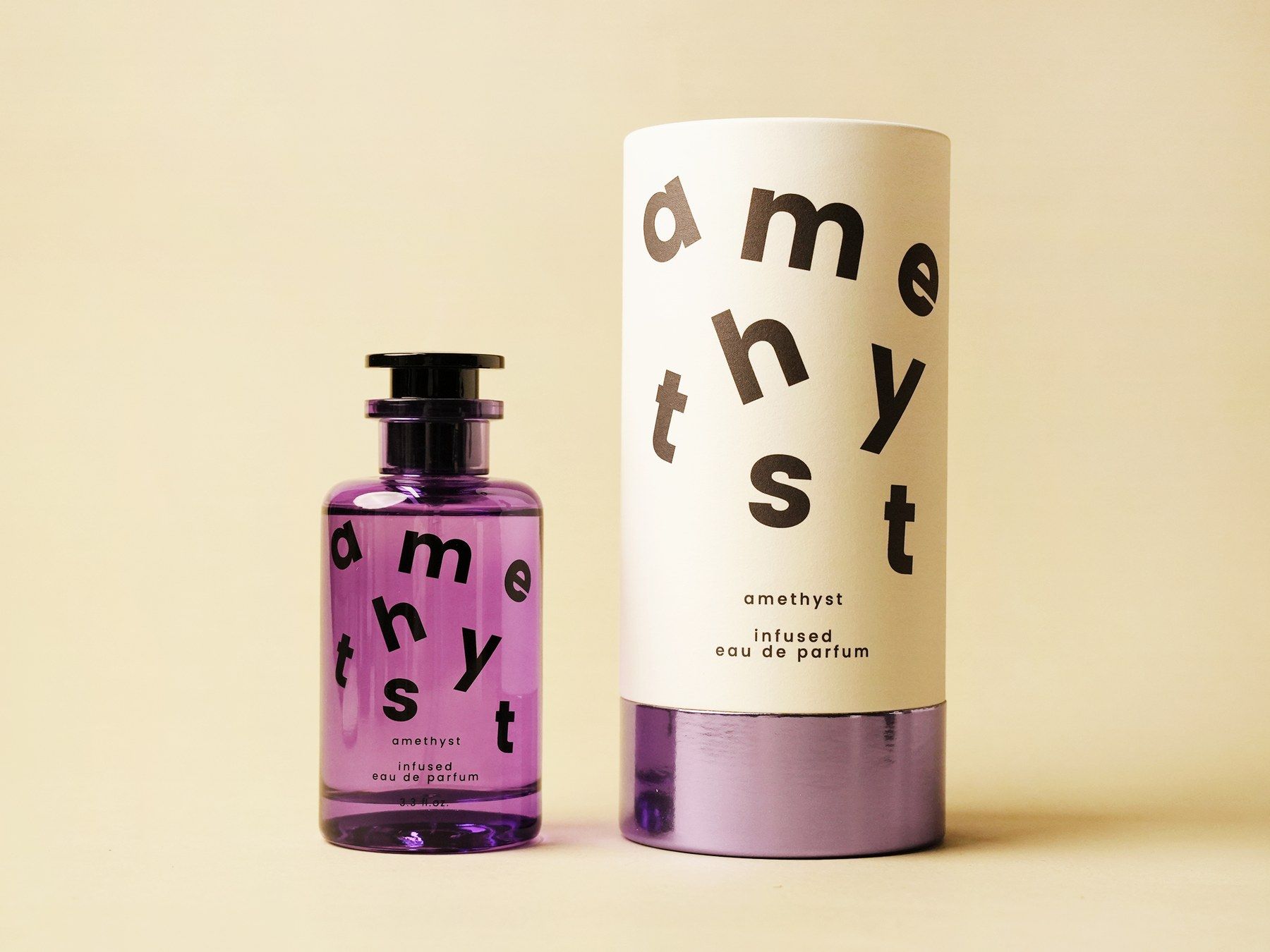
Stock bottle or new mould
A stock bottle starts at once and has already been through our compatibility tests. A new mould takes 35 to 40 days from the signed 3D drawing, and the cap the same, before trial samples and bulk packaging. Many brands use a stock bottle with their own finish and cap; it looks like theirs and keeps the calendar short.
Colour, material, finish
Buyers call this CMF. Colour and material decide what the bottle is. The finish, meaning spray coating, frosting, hot foil, screen print, electroplating, decides most of the cost, the lead time and the reject rate. When a render arrives, the questions are almost always about the finish. Two examples from our own lines:
- Pearl effect on an electroplated cap. Plain electroplated samples were fine. Adding pearl to the pink version caused moulding defects and visible marks.
- Frosting with hot foil. A frosted bottle with foil stamping scratched in the transit test, and scratched foil looks bad. The structure was changed and tested again.
Small sizes lose weight
Perfume in sizes under 30ml can slowly lose weight even when it is never used, because of the gap between the pump and the actuator. Imported pumps solve it, at about three times the price of standard pumps. Our approach is a different gasket material, which we use on small sizes. If you plan a discovery set, minis or gift-with-purchase sizes, raise it at the start.
Plastic bottles need a different formula
Brands move to plastic so the bottle does not break, often for travel sizes or events. Plastic is less compatible with high-alcohol juice than glass, so the alcohol level is lowered, and the neck size must suit the pump. The formula changes with the bottle; it is not just a material swap.
Crystals, flowers and glitter
Bottles with a stone, dried flowers or glitter photograph well. Natural stones can contain heavy metals, and alcohol slowly draws impurities out of them even after washing. Test the finished product with the stone inside, after it has been standing for a while, not the liquid alone. The heavy metal safety of the stone is the brand’s responsibility, so we agree it in writing.
Shelf-ready packs
If the range goes into retail, think about the shelf unit together with the bottle. Shelf-ready packaging (SRP) is the outer case that opens into a tray for a normal shelf. A PDQ is a pre-filled counter display, mostly for small sizes, rollerballs and body mist near the till.
Made in China on the label
Products made in China must say Made in China on the product label, not only on the carton. You can add where the design was done, for example “Designed in the UK, Made in China”.
Questions buyers ask
How long does a custom bottle mould take?
35 to 40 days from the day the 3D drawing is signed. A cap mould is about the same.
Can we supply our own bottles?
Yes. Agree the production loss rate with us first, so there are enough spare components for the order.
What does CMF mean?
Colour, Material, Finish. Buyers use it for the look of the pack. When someone says the CMF is not locked, the colours and finishes are still open.
Can we put crystals or dried flowers in the bottle?
It can be done, but test the finished product with the crystals inside, after some time has passed. Stones can release heavy metals into alcohol over time.
Last updated . Reviewed by Tang Guoqiang, OEM/ODM Sales Manager at YFF Cosmetics.
Send us your brief
Tell us the product, the market and the launch date. Tang Guoqiang reads every enquiry himself and replies by email.